I help teams and communities build cultures that stay connected through conflict and uncertainty, think better together, and accomplish more.
Jeffrey Stec, J.D.
Designing Meetings for Better Thinking
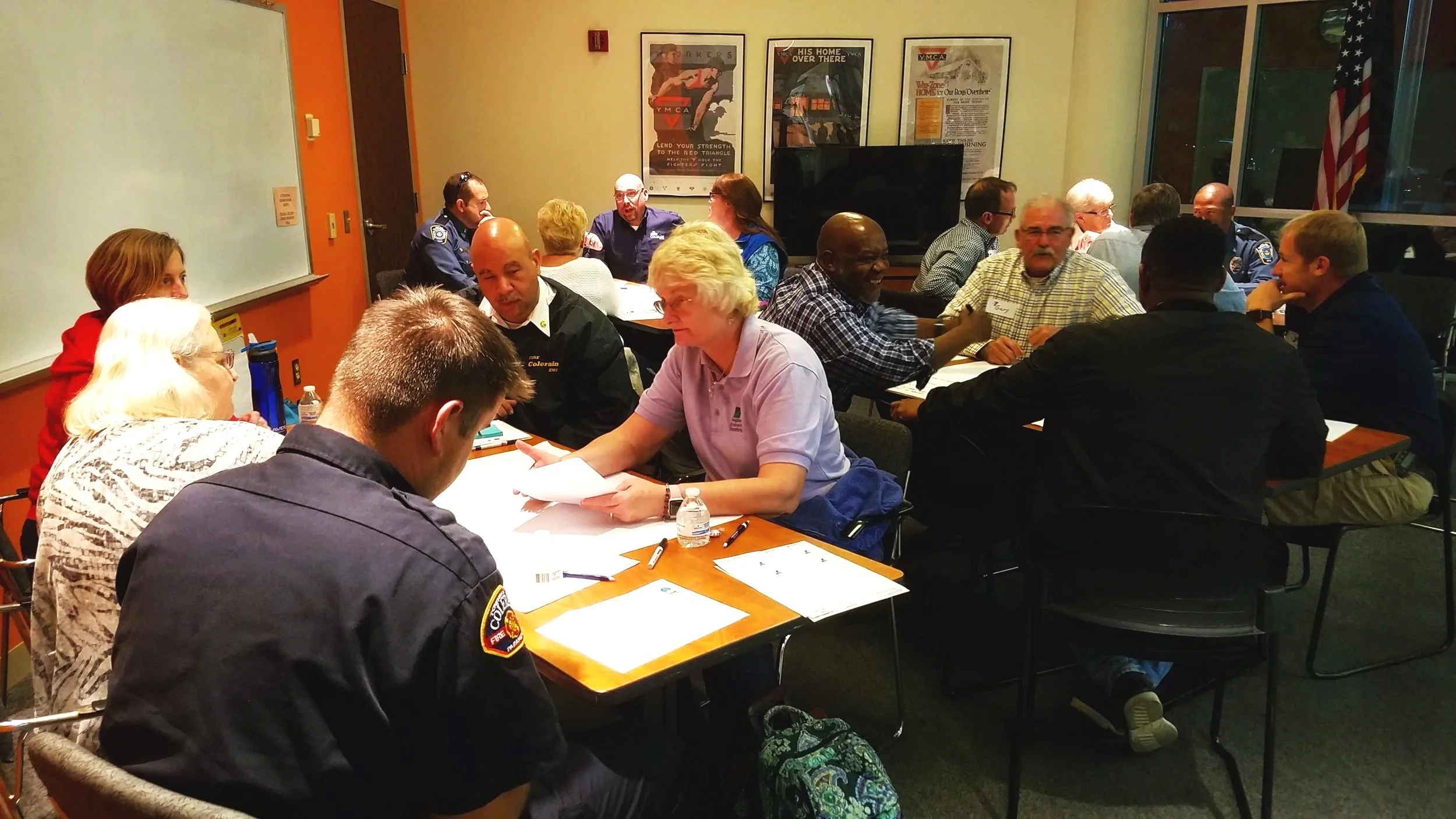
Leaders who aim meetings at building connection, not just making decisions, create the psychological safety necessary for people to speak up.
A good meeting doesn't just end in a decision — it leaves people having said what they actually saw, knew, questioned, and felt.

Most of the frustration I see afterward isn't really about the decision — it's about a process that moved to an answer before the room said everything it knew. Someone had a concern they didn't raise, or a different read on the risk that never made it into the conversation.

For twenty years, I've worked on what actually gets people to say the harder thing out loud — question an assumption, push back on a plan, admit a doubt they'd otherwise keep to themselves. It usually comes down to whether people feel enough connection to risk it. When they do, disagreement stops costing them anything, and the group decides with more of what it actually knew all along.
Staying Connected When the Conversation Gets Hard
Even strong teams have a pattern they fall into under pressure. One person gets defensive, another goes quiet, everyone gets more certain they're right — and the conversation gets worse exactly when the stakes are highest.

What interests me isn't how to avoid that moment or clean it up afterward — it's what keeps people connected while they're in it. Often the fix isn't complicated: who speaks first, how closely people actually listen, when the group deliberately slows down, how a hard perspective gets held rather than argued with. Small shifts like these keep defensiveness from taking over, and the conversation stays honest instead of shutting down.

Leaders who design for connection, not just speed, get the full benefit of what their team actually knows, sees, and is capable of.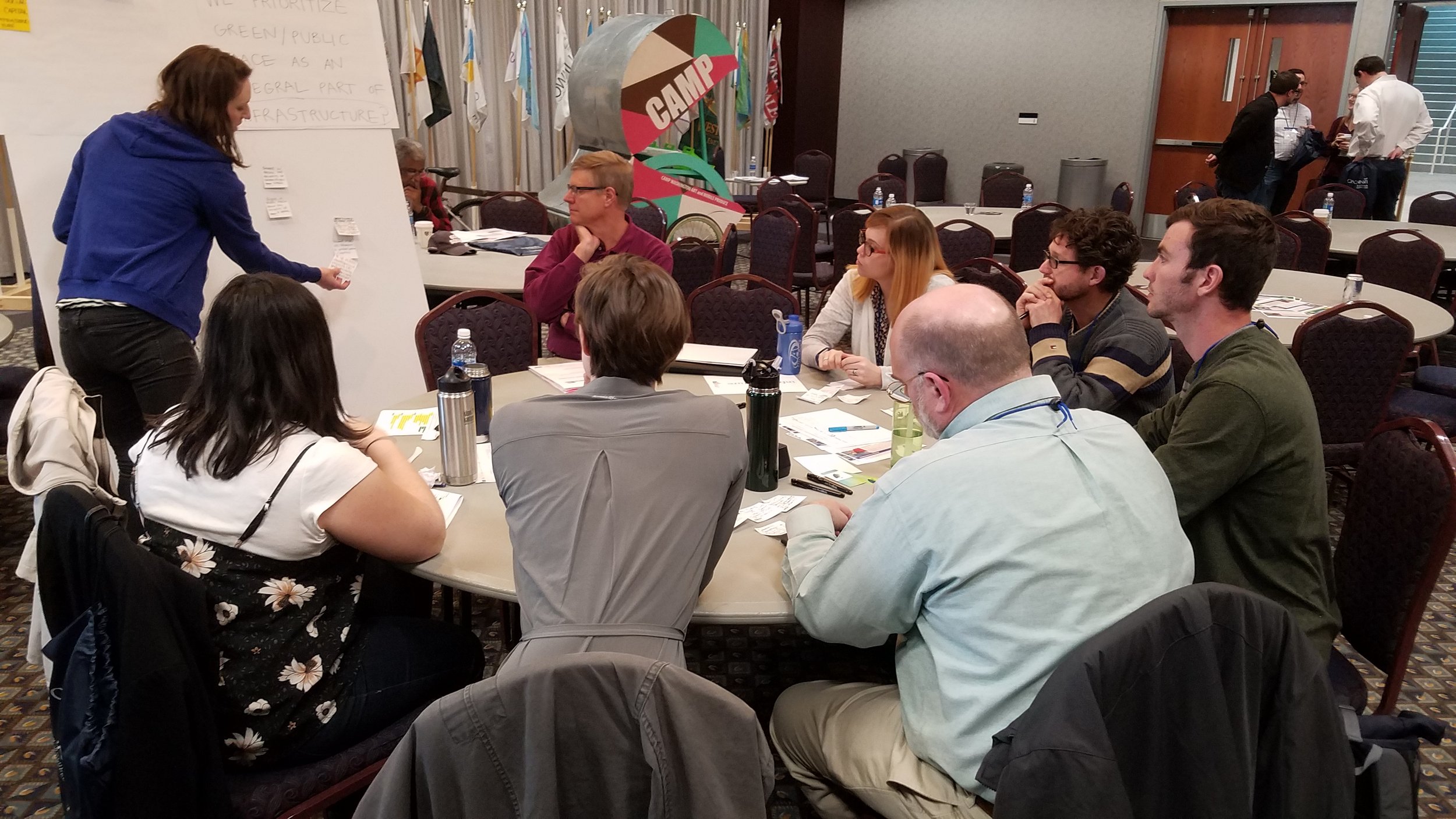
Leaders who aim meetings at inclusivity and high-participation, not just efficiency, optimize discussion time and group thinking.